
By: Bethany Trueblood
March 19th, 2012 | Omaha World Herald
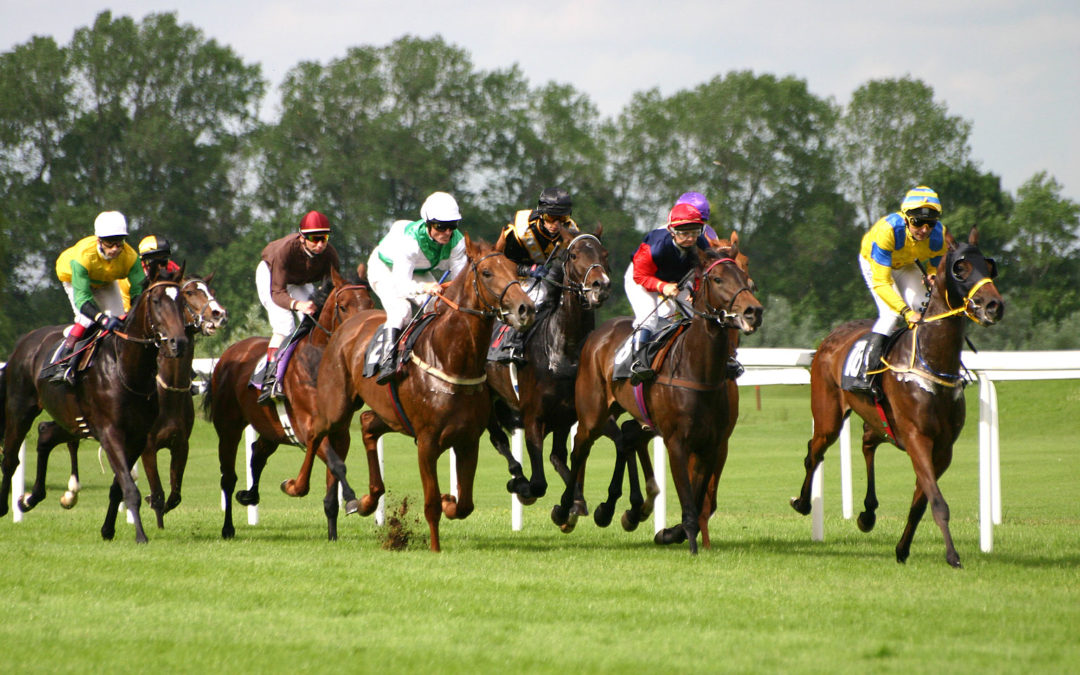
Horse racing is becoming a thing of the past. In an effort to save the sport, Nebraska horse tracks hope to install Instant Racing Terminals, which allow bettors to place wagers on historic horse races.
But would betting on dead horses save live ones?
In 2010, a filibuster killed a bill (LB 1102) that would have allowed historic horse racing machines at Nebraska’s five licensed tracks. Now LB 806 is on the table and, if passed, would allow horse tracks to install the terminals.
Sen. Scott Lautenbaugh believes the terminals would boost revenue for the industry and save horse racing jobs. Opponents argue the machines would merely expand gambling and do nothing to help horse racing.
During debate this month, Sen. Mark Christensen said it’s disingenuous to argue that the machines would save horse racing. Live racing, he stated, is too slow to meet the instant gratification demands of society. He said the bill would generate revenue and expand gambling, but it wouldn’t change the reason the horse racing industry is declining.
Many tracks have survived by constructing casinos, called “racinos,” next door. Rather than boost interest in racing, casinos divert customers’ attention to slot machines.
Richard Thalheimer, an economist who studies the racing industry, said the on-track handle at racino racetracks has declined due to putting slot machines and table games in the building. “The racing industry has far more competition now, and a lot of it is right at the racetrack’s doorstep,” he said.
While some claim Instant Racing Terminals are distinct from slot machines, they have an uncanny appearance to slots and operate similarly by allowing instant betting.
When considering LB 1102 in 2010, Nebraska Attorney General Jon Bruning determined that the terminals likely represent Class III gaming and aren’t a form of parimutuel wagering. He stated Instant Racing is unconstitutional since the Nebraska constitutional provision seems to include parimutuel wagering on live horse races, not historic ones.
Maryland Attorney General Doug Gansler had similar conclusions when he found Instant Racing to be simply “a slot machine that attempts to mimic traditional parimutuel wagering.” The machines were therefore deemed illegal at horse tracks since the law only allowed parimutuel betting.
Regardless of whether Nebraska deems the racing terminals constitutional, these machines likely wouldn’t attract new bettors to live horse racing but would create a new, more harmful form of gambling. According to research by Baylor economics professor Earl Grinols, slot machines and Video Lottery Terminals are the most damaging and quickly addictive forms of gambling. He also found that 80 percent of casino revenue comes from slot machines.
A report by the Lincoln Human Services Administration states research has shown that access to expanded gambling creates more problem gamblers. Research shows those who suffer from problem gambling have been found to experience financial ruin, depression, abuse, divorce and homelessness. They are also more likely to engage in criminal behavior and commit suicide.
Further, research conducted in states that have expanded their legal forms of gambling to include widespread placement of video gaming devices in non-casino locations, such as racetracks, shows these actions come with a cost. For every $1 a state receives in gambling revenues, it costs the state at least $3 in increased social justice, social welfare and other expenses.
Gambling also can cause harm to a local economy when there’s a shift in spending from local businesses to gambling activities.
While some argue racing terminals will save many jobs in the horse racing industry, they wouldn’t do that if interest turns from the sport to the video machines. Instead of saving the sport, the terminals would likely expand gambling, which is something Nebraska doesn’t need to risk.

Latest posts by Nebraska Family Alliance (see all)
- 45 Nebraska Athletes & Coaches Speak Out Against Online Sports Betting - October 21, 2026
- Important Election Deadlines Approaching - October 20, 2026
- Equipping You. Equipping the Church. - October 14, 2026